When Everyday Mobility Became the Pulse of Politics
Bihar’s First People’s Manifesto on Sustainable Mobility
When cities grow faster than they listen, everyday journeys become daily struggles. Across Bihar, citizens navigate unreliable public transport, unsafe commuting conditions, rising pollution, and high travel costs, barriers that limit access to livelihoods, education, healthcare, and social equity.
Before these challenges became policy points, they were lived realities.
Stories from students waiting for buses that never arrive. From women navigating unsafe and poorly lit streets. From persons with disabilities finding no place in infrastructure meant for all.
It was from these voices that a roadmap began to take shape.
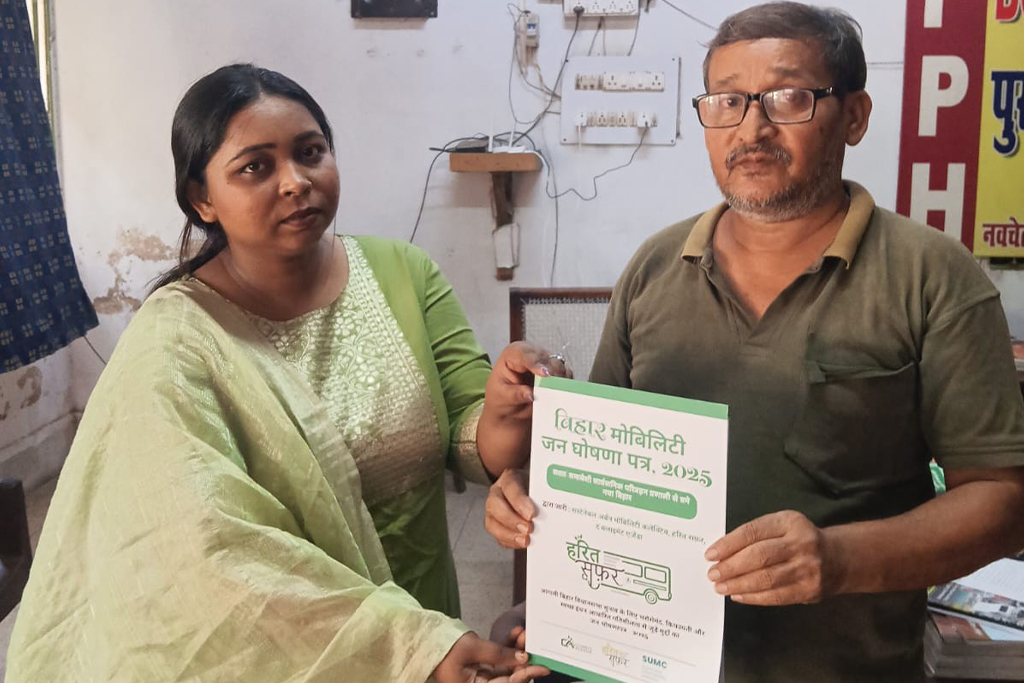
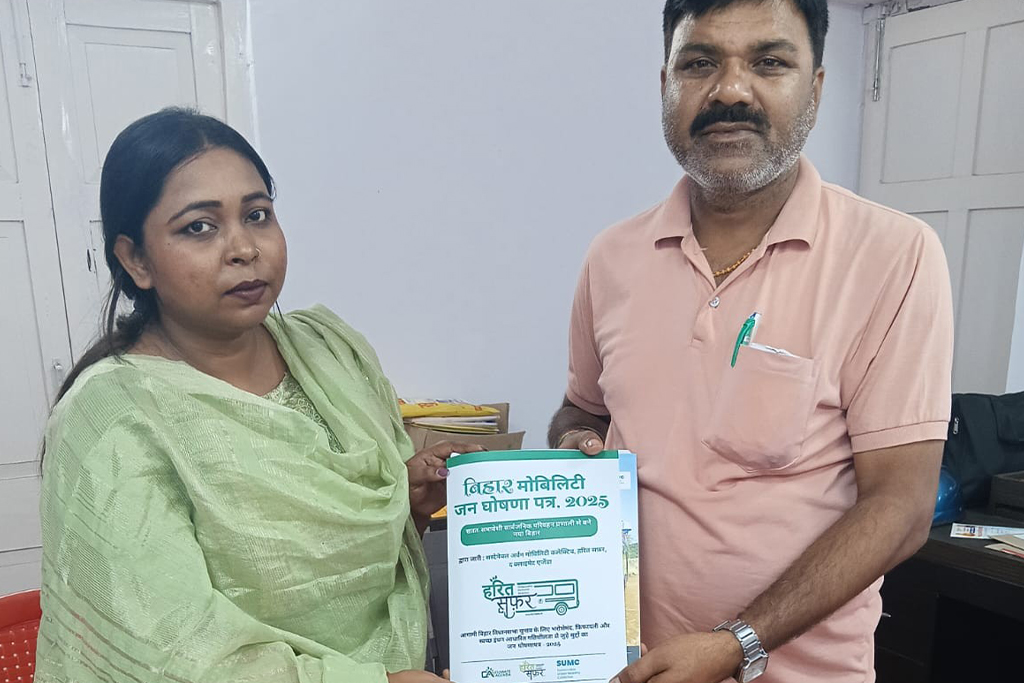
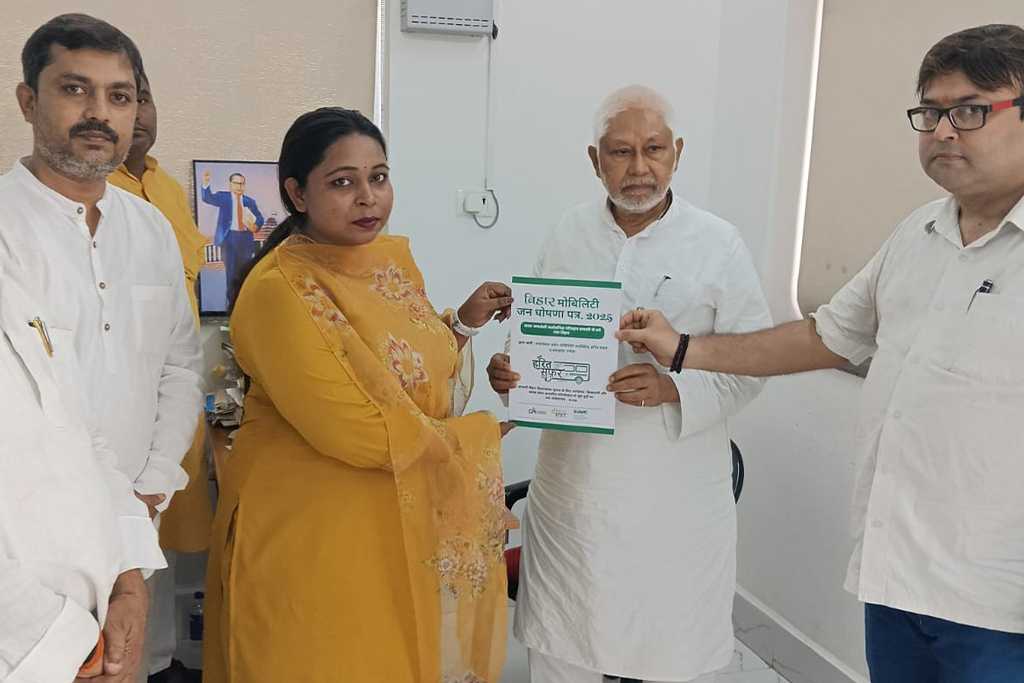
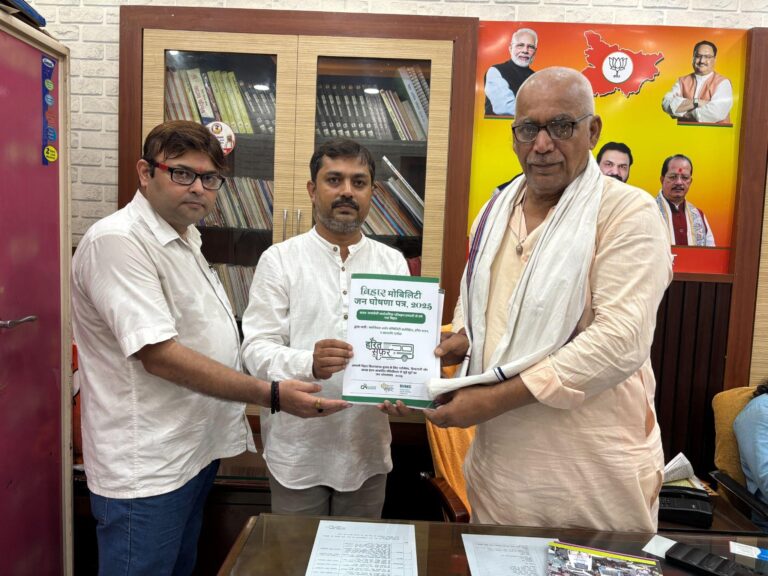
Developed by The Climate Agenda under its Harit Safar initiative, in collaboration with the Sustainable Urban Mobility Collective (SUMC), the Bihar People’s Mobility Manifesto emerged during the 2025 electoral period as a people-centered effort to bring citizens’ mobility concerns directly into political discourse.
Within the manifesto, key interventions included deployment of electric bus fleets, creation of low emission zones, formalization of e rickshaw systems, and development of solar powered charging hubs. Safer pedestrian pathways, cycle tracks, and stronger last mile connectivity were central to ensuring mobility that is accessible, affordable, and sustainable.
Guided by the technical expertise of SUMC, the recommendations remained evidence based and inclusive.
Key demands emphasized reliable and affordable public transport, gender sensitive safety measures, strengthening of non motorized transport infrastructure, and promotion of clean mobility solutions.
But this was not just about solutions. It was about shifting the conversation.
Before the elections, the manifesto was shared with all the major political parties (JDU, BJP, RJD, Congress, LJP, and CPI-ML), ensuring mobility became part of the policy agenda.
And something changed.
Both major political alliances reflected these concerns in their election priorities, with a growing focus on connectivity, public transport expansion, and accessibility.
This manifesto is not just a document. It is a collective voice shaping cities that are safer, more inclusive, and built for everyone.