Building public demand for inclusive and climate-responsive transport systems
Before policies were drafted and promises were made, the streets of Bihar were already sparking conversations.
In October 2025, under the Harit Safar Initiative, The Climate Agenda brought mobility into public spaces through a series of community-focused activities.
These efforts were not just mere announcements. They were engagements, designed to capture what people experience every day and what they expect from the system meant to serve them.
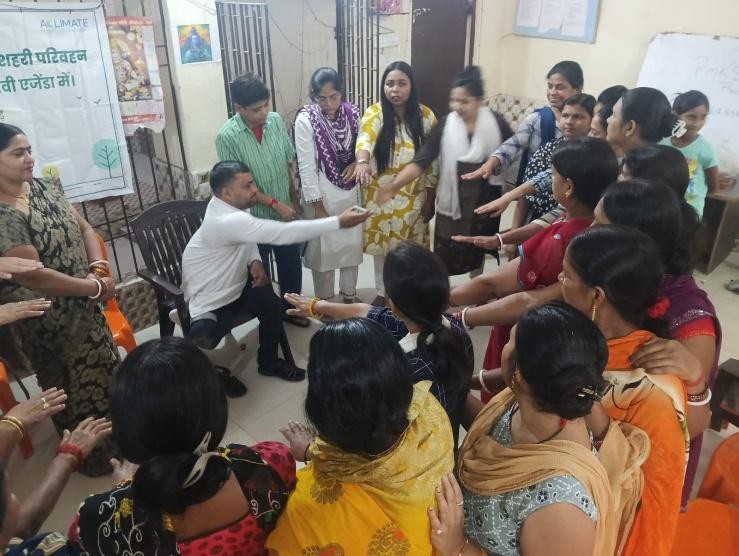
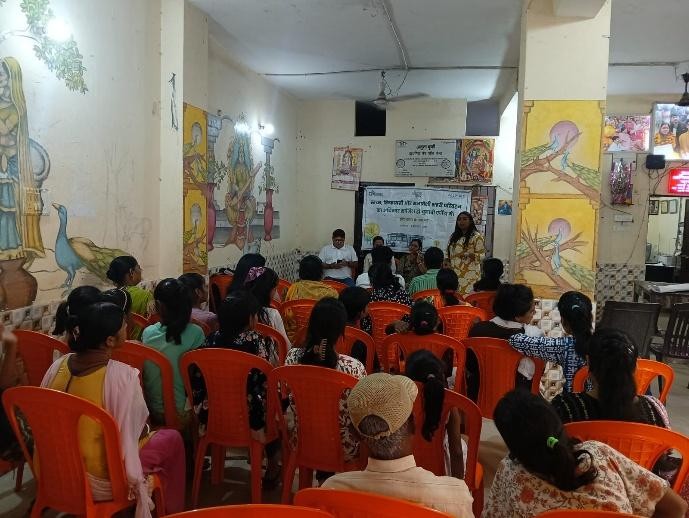
It began with Parivahan Chaupals.
Local spaces were transformed into platforms where citizens, youth and civil society shared their realities. Unsafe roads, unreliable public transport, lack of accessibility and rising costs were not discussed merely as isolated concerns, but as shared challenges shaping everyday life.
Over 600 participants engaged in community dialogues discussing these commuting challenges and proposed practical solutions.
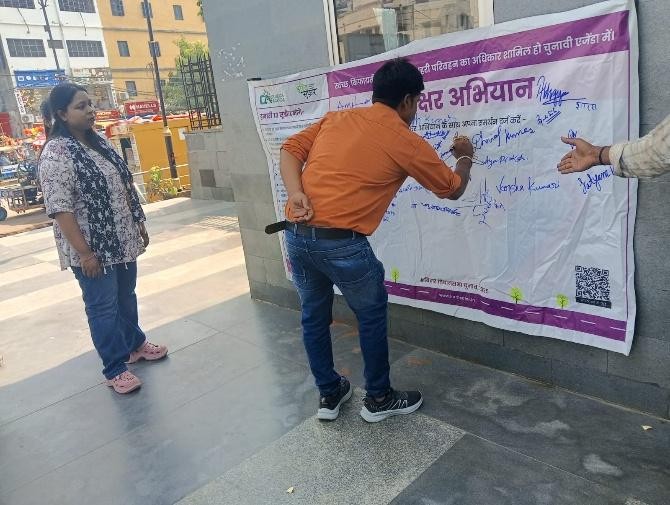
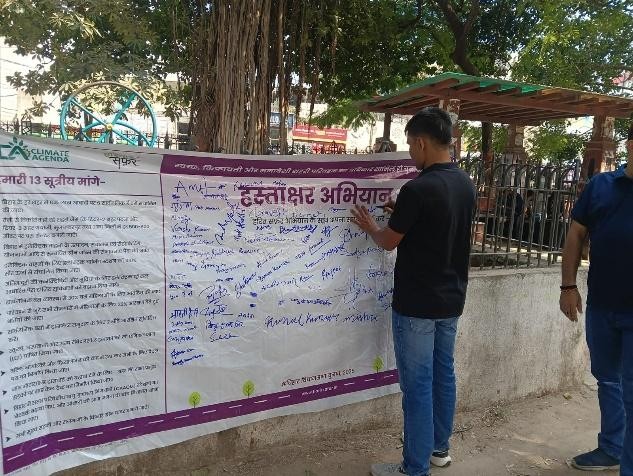
Then came the shift from dialogue to declaration.
Through Signature campaigns, roughly 2,500 citizens came forward to publicly endorse demands for safe, clean and inclusive mobility. These were not just signatures.These were statements of collective intent.
And beyond conversations and commitments the message found its way onto the city itself.
More than 900 participants expressed their – through wall paintings and public murals, turning everyday spaces into striking reminders of sustainable and equitable transport extending the message beyond mere discussions.
As these initiatives unfolded, awareness grew, the voices of women, youth, persons with disabilities, and marginalized communities began to find space and strength.
Together, these efforts reached nearly 4,000 citizens across Bihar. Each interaction added strength to a growing movement, amplifying voices that are often left out of the planning process.
And by the time the Bihar People’s Mobility Manifesto reached political parties, it had already been shaped and strengthened by the citizens with such dialogue, action, and shared demand.
This was more than just participation. It was a collective call for change.