Sadaknama – Reclaiming the Streets for the People in Gaya Ji
Continuing the Series to Bring Life Back to Gayaji’s Streets
After its vibrant debut in Patna, Sadaknama carried its energy and purpose to the streets of Gaya ji, transforming an ordinary day into a celebration of people, place, and possibility.
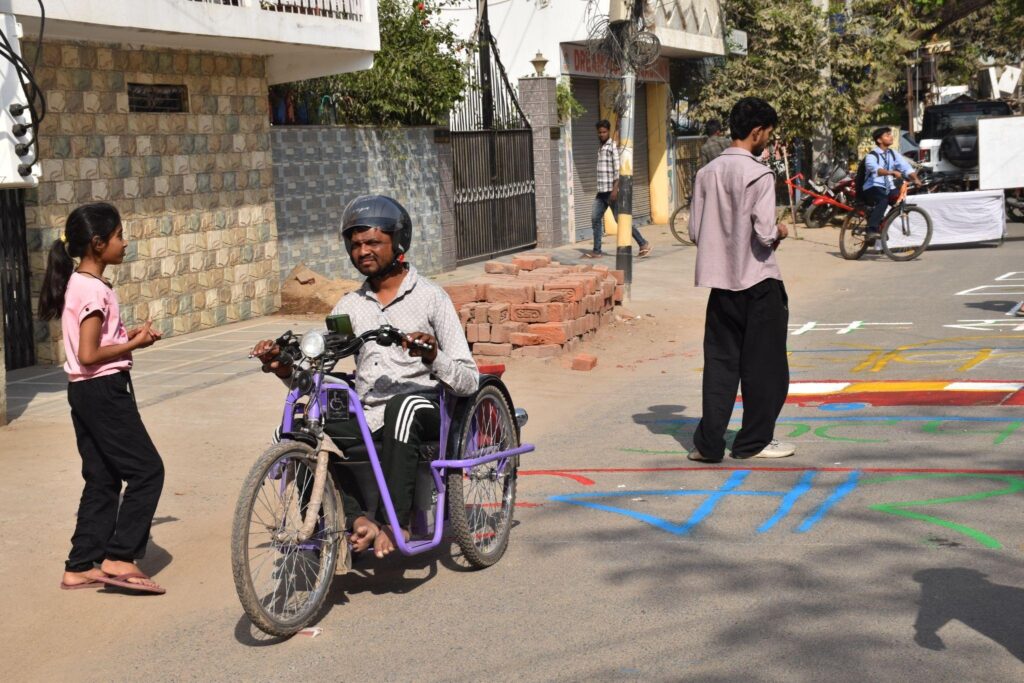
Known for its deep cultural and pilgrimage heritage, Gaya ji’s streets have always held stories of art, faith, and shared expression. On 16 March 2026, near Asha Singh More, that spirit came alive in a new way, as the roads turned into an open, inclusive space for activity, interaction, and creativity.
Organised jointly by The Climate Agenda under the Harit Safar initiative and the Blessing Institute, the event aimed to spark conversations around sustainable transport, cleaner air, and people-friendly streets. It was not just an event, but a collective step towards reimagining how cities can move and breathe better.
The Honorable Mayor of Gaya, Mr. Birendra Kumar (Ganesh Paswan), graced the occasion and appreciated the initiative for encouraging safer streets and reducing emissions. His presence added momentum to the idea that city leadership and communities can come together to shape better urban futures.
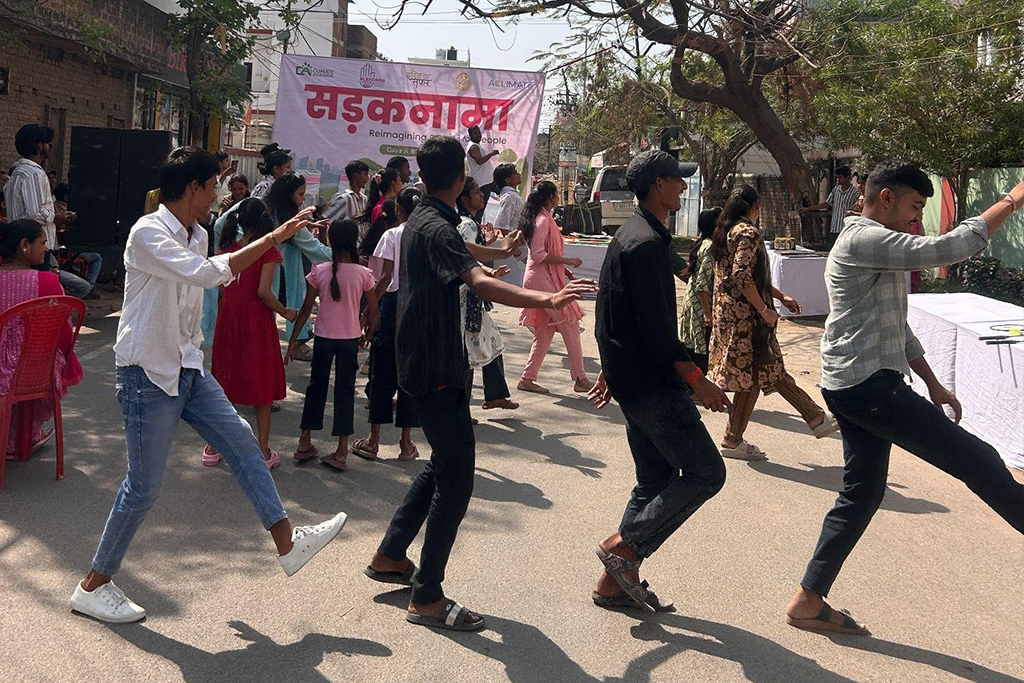
Students, volunteers, and local residents came together, bringing an infectious energy to the streets. The day began with Zumba sessions, setting a lively tone while highlighting how streets can also support health and well-being.
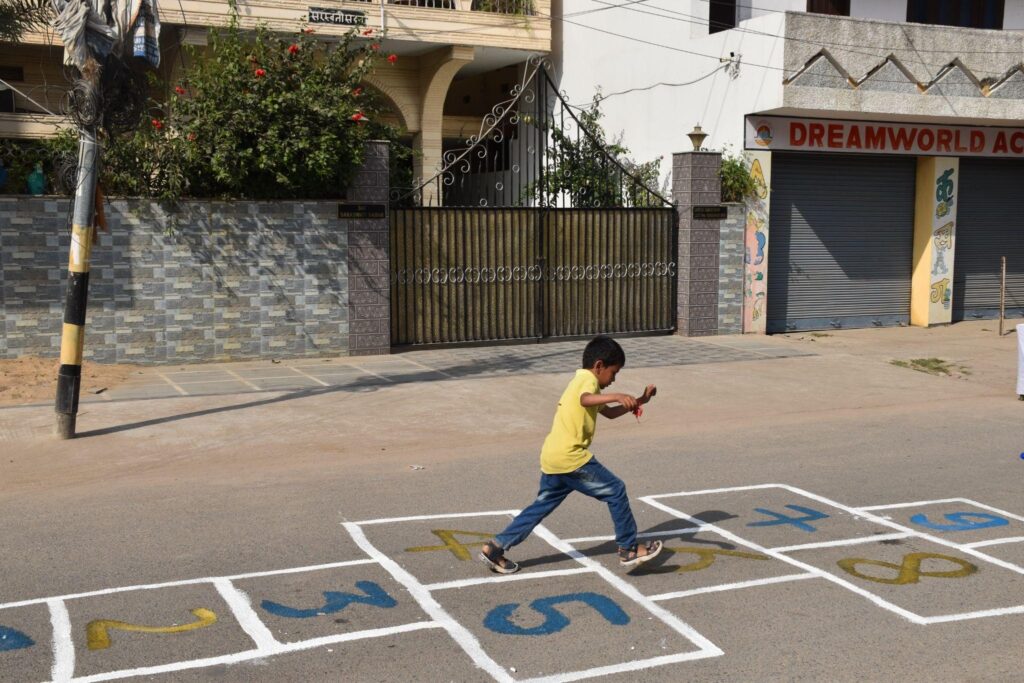
As the day unfolded, games like badminton, football, and rope skipping took over the road, turning it into a vibrant, shared space filled with movement, laughter, and connection.
Creativity found its place too, students engaged in live painting, transforming the street into a colourful canvas reflecting visions of safer, cleaner, and more inclusive mobility.
Performances and interactive discussions added depth to the experience, drawing clear links between mobility, air quality, and everyday life. Participants reflected on simple yet powerful choices, walking, cycling, and using clean public transport, as pathways to building healthier and more sustainable cities.
It was a reminder that streets belong to people, and this journey of reclaiming them has only just begun.